

Lost parcel? It's your loss, so check your claim deadline
For shops, makers, cafés and salons that post orders to UK consumers: who carries the loss when a parcel never arrives, what to do first, and how to claim from Royal Mail.
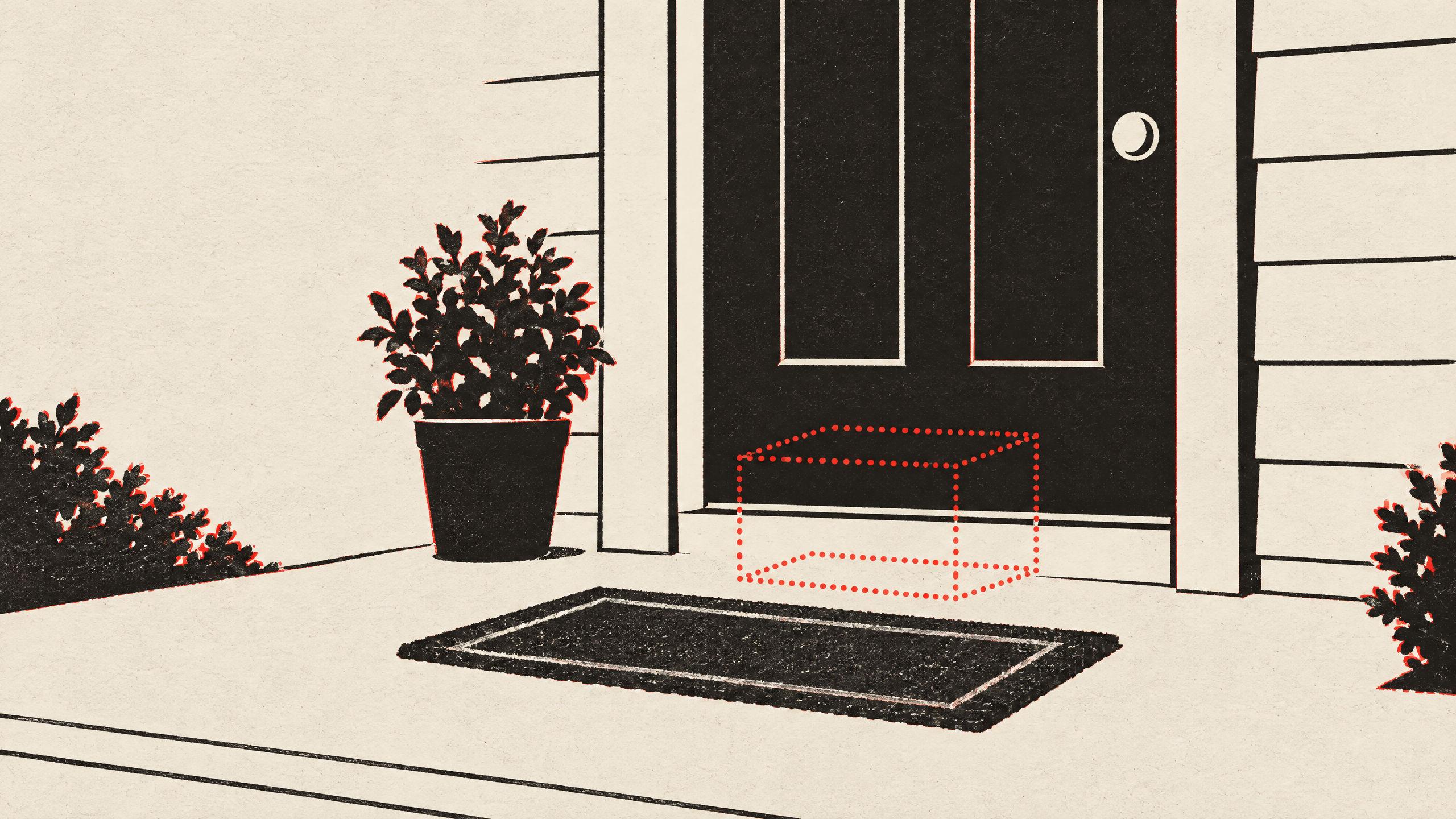
Who carries the risk when a parcel goes missing in the post?
You do, until the parcel is in your customer's hands. Under section 29 of the Consumer Rights Act 2015, goods sold to a consumer "remain at the trader's risk until they come into the physical possession of" the consumer or "a person identified by the consumer to take possession of the goods". So a parcel that vanishes in the sorting centre is your loss, not theirs, even when the courier is at fault. Your customer does not have to chase anyone. Citizens Advice tells consumers: "If the seller used a courier, they should chase the courier to find out what's happened to your order". Section 28 adds a time limit: unless you agreed something else, you must deliver "without undue delay" and "not more than 30 days after the day on which the contract is entered into". If you miss that, your customer can set a new deadline. If that passes too, they can end the contract, and you "must without undue delay reimburse all payments made under the contract".
Which sales does this cover, and when is the loss not yours?
The rule covers goods you sell to consumers and send by post or courier: the gift box from your café, the candle from your shop, the hair products from your salon. Here's the catch: two cases move the risk to your customer. Their own courier. Section 29 does not apply if the carrier "is commissioned by the consumer to deliver the goods" and "is not a carrier the trader named as an option for the consumer". A courier picked from your own checkout list does not count. A place or person they named. Business Companion, the Chartered Trading Standards Institute's guidance for businesses (guidance, not law), says instructions like 'leave in the shed' or 'leave with number 39' "would fulfil the 'authorised representative' element". But if the courier chooses a neighbour "without that specific instruction from the consumer, then they haven't delivered it to the consumer". Not covered here: sales to other businesses, which depend on your contract, and orders under German law, which has its own rule.
What do you do when a customer says the parcel never arrived?
Treat it as your problem from the first message, and start the courier claim at the same time. Business Companion puts it plainly: "The consumer should not have to contact the courier". Royal Mail's retail compensation policy sets the outer limit for your own claim, unless you post on a Royal Mail business account: "Claims for loss must be made within 80 calendar days of the date of posting, or no claim will be entertained." Account customers have separate terms. The short version:
- 1Check the facts. Compare the address on the label with the order and ask the courier for the delivery record: signature, photo, safe place or neighbour.
- 2Ask your customer whether they named a safe place or a neighbour, and whether someone at home took the parcel in.
- 3Put it right. If the parcel reached neither them nor a person or place they named, redeliver. If you cannot meet the deadline they set, refund.
- 4Claim from the courier. With Royal Mail, keep your proof of posting and proof of value. Under the retail policy, claim within 80 calendar days of posting. If you post on a business account, check the deadline in your contract.
How much does Royal Mail pay back, and by when must you claim?
Often less than the parcel was worth, and under the retail policy only if you claim within 80 calendar days of posting. Royal Mail says: "Every Tracked 24 item is covered against loss or damage up to £75 or the value of the item, whichever is lower." The Tracked 48 page uses the same words. For an ordinary 1st or 2nd Class item with evidence of posting and value, the retail policy pays your actual loss up to "the lower of the market value of the item and £20". Royal Mail treats an item as lost if it has not been delivered "by the end of the tenth working day" after its due date. If you and your customer both claim, "Royal Mail will process only the sender's claim". One limit matters if you post on a Royal Mail business account: the retail policy, and with it the 80-day limit and the £20 figure, "excludes items posted on account", which have separate terms. The £75 on the Tracked pages carries a footnote that points to Royal Mail's terms for non-account customers. We could not open Royal Mail's business account claims page, so check your own contract. Our reading: for anything worth more than the included cover, you carry the difference unless you buy more cover.
Which mistakes cost small shops money?
The most expensive one is telling your customer to take it up with the courier. The law puts the loss on you, so that reply only delays the refund you owe. Trusting the word "delivered". Our reading of section 29: what counts is physical possession by your customer or by a person they named, so a tracking scan alone does not settle a dispute. Business Companion notes that "it is customary for a courier to take a photograph of goods delivered in accordance with instructions"; ask for it. Sending a £120 hamper on a £75 service (our example): if it is lost, you refund £120 and get back £75 at most. Waiting for the parcel to turn up until the claim window has closed. Promising "delivered by Christmas" without a margin. Business Companion says such promises "become a term of the contract between the two parties", and if you fail to honour one, "the consumer has the right to cancel and obtain a refund".
Common questions
Who is legally liable when a customer disputes that goods were delivered?
You are, if the customer is a consumer and the parcel did not reach them or a person they named. Section 29 of the Consumer Rights Act 2015 keeps the goods at the trader's risk until then. Ask the courier for the delivery record first: it shows whether the parcel reached your customer, a neighbour or a safe place.
Is the courier or the seller responsible for a lost parcel?
The seller is responsible to the customer, and the courier is responsible to the seller. Citizens Advice tells consumers that "it's the seller's responsibility to make sure the item is delivered to you". You redeliver or refund first, then claim from the courier under its terms, for example up to £75 with Royal Mail Tracked 24.
What if the parcel was left with a neighbour or in a safe place and has gone missing?
It depends on who chose the place. Citizens Advice says that if the customer agreed to the alternative place, "it's not the seller's responsibility if your order has gone missing". If the courier chose it without the customer's instruction, the parcel was not delivered to them and the loss stays with you.
Sources
- Consumer Rights Act 2015, section 29 (Passing of risk), in force since 1 October 2015 · checked 17 Nov 2026
- Consumer Rights Act 2015, section 28 (Delivery of goods) · checked 17 Nov 2026
- Royal Mail, retail compensation policy for loss · checked 17 Nov 2026
- Royal Mail, Tracked 24 product page · checked 17 Nov 2026
- Royal Mail, Tracked 48 product page · checked 17 Nov 2026
- Business Companion (Chartered Trading Standards Institute), Delivery charges, Part 1: Legal requirements, the basics · checked 17 Nov 2026
- Citizens Advice, If something you ordered hasn't arrived (England) · last reviewed 22 Nov 2018
Luca Bonura started selling online at 17 and funded his first business with 4:30am shifts in a bakery. He built his own product brand, watched it fail, and rebuilt as a freelance performance marketer for everyone from small shops to HelloFresh. Seeing how hard growth is even for people inside the industry, he founded Adlarion. He writes The Small Business Digest in plain English: the news he wished he'd had when starting out.
More from Luca →