

From 2028 your card provider tells HMRC your takings and tax ID
For every UK shop, café, salon and tradesperson who takes card payments: what your card reader company will report to HMRC from 2028, which number it will ask you for, and what you need to do.
What changes for card payment data in 2028?
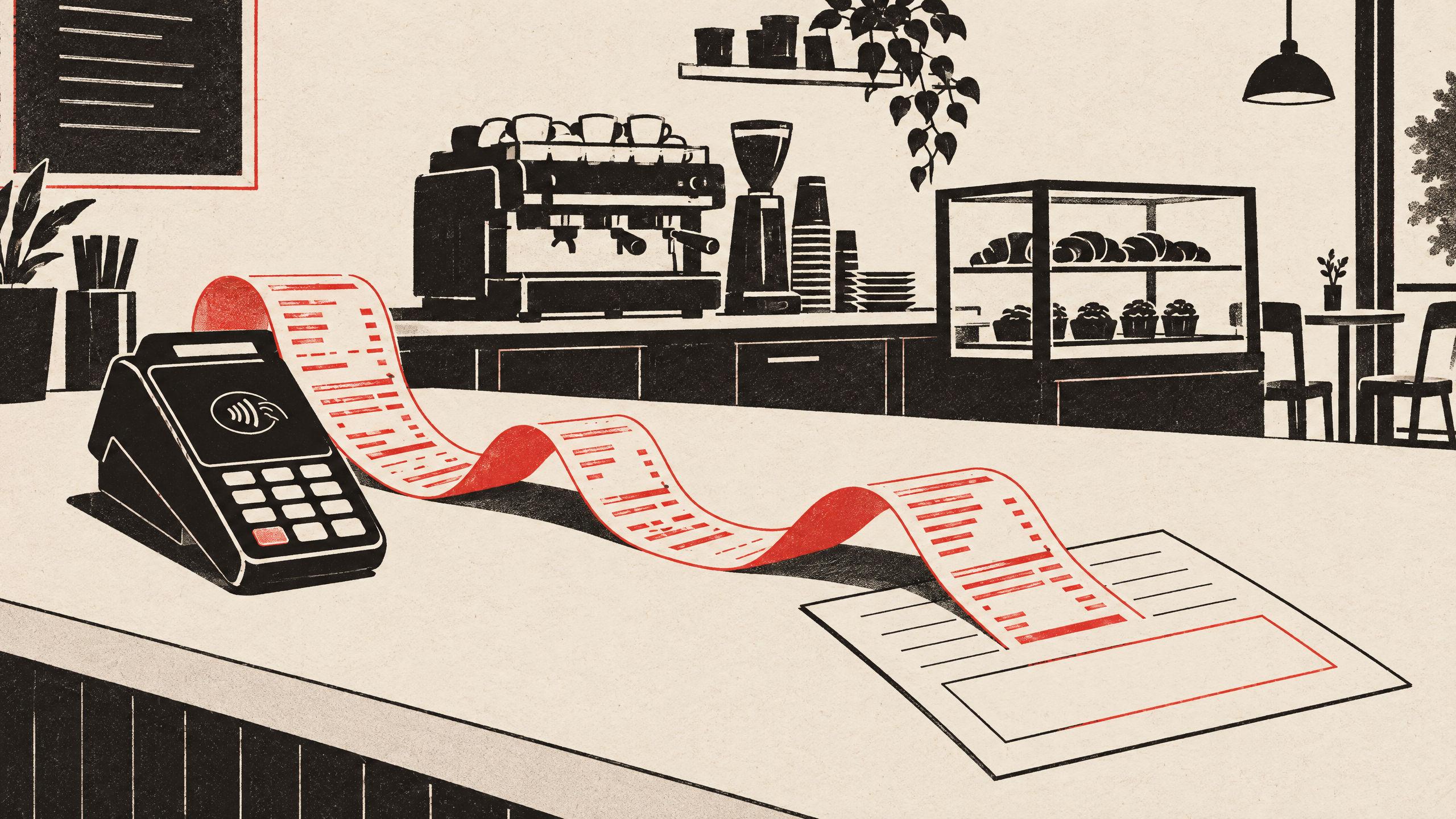
Card providers get a permanent duty to send HMRC your card sales, matched to your tax number. On 3 November 2026 the government laid "The Data-gathering (Ongoing Data: Interest and Payment Card Transactions) Regulations 2026" (gov.uk). HMRC already gets some of this data. Today it asks for it by notice, and 13 suppliers of card sales data already report. The new rules replace those notices with "standing reporting obligations", more frequent reporting in a fixed format, and bring in smaller providers too (HMRC policy paper). The big change is the number. Providers must "request, collect and report tax identifiers for matching to taxpayer records", such as your National Insurance number. What HMRC wants to do with it: "auto-registering customers to the relevant tax regime and pre-populating taxpayer returns". When: the regulations (SI 2026/1152) come into force on 1 March 2028. Card providers must then report every month, starting with April 2028, no later than 21 days after the end of the month (legislation.gov.uk). HMRC's policy paper says the measure "will have effect from 06 April 2028".
Who does this affect (and who doesn't)?
Every UK business that takes card payments through a card provider. The rules bind the providers, the firms behind your card reader, your online checkout and your merchant account. But the data is about you. That's the hairdresser with a card reader on the counter, the café taking contactless, the plumber who gets paid on a phone. Which number they'll ask for depends on how you trade. HMRC's due diligence notice lists National Insurance numbers, Company Registration Numbers and VAT numbers. Providers are expected to check company numbers against Companies House, and may check VAT numbers with HMRC's online tool (gov.uk). Here's the catch: for new accounts, providers must chase the number. They must request your National Insurance number or get your confirmation that you don't hold one. If you are eligible for a National Insurance number but don't have one yet, the provider may open the account but has "45 days to obtain the NINO". If it doesn't get it, it "should consider account freezing or closure". For existing accounts, providers must reach out once a year for the first two years. Not covered: cash takings. And nothing here applies in Germany.
What should you keep an eye on before 2028?
Nothing changes at your till today; the change is that HMRC will see your card takings next to your name. If you already declare every card sale, little changes for you. If you don't, gaps get easier to spot. The short version: Your card reader already knows what you took. From 2028, HMRC will too.
- ✓Now: check that your tax returns include all your card takings, from every reader and online checkout, not just the main one.
- ✓Have your number ready: National Insurance number if you're a sole trader, Company Registration Number for a limited company, VAT number if you're registered.
- ✓From 2028: answer your provider when it asks. On a new account, your provider must ask for your National Insurance number or your confirmation that you don't hold one. If you are eligible for a number but don't have one yet, it has 45 days to get it from you. Existing customers will be asked once a year for two years.
- ✓Take side income seriously. If you take card payments for work HMRC doesn't know about, sort it out now: HMRC says the data should "reduce the opportunity for error or evasion".
Extra tax HMRC expects from better third-party data in 2031 to 2032
Source: HMRC policy paper, 3 November 2026
Common questions
Does HMRC know about my card payments?
Partly, already. HMRC currently gets card sales data from 13 suppliers by notice. From 2028 providers must report it on a standing basis, more often, and with your National Insurance, company or VAT number attached, so HMRC can match it to your tax record and pre-fill returns.
What is HMRC's data matching with merchant acquirers?
Merchant acquirers are the companies that process your card payments. HMRC compares the card sales they report with what you declare. The new rules, laid on 3 November 2026, make that reporting a permanent duty and add tax identifiers, so matching your takings to your tax record becomes easier.
Sources
- HMRC, "Better use of new and improved third-party data: interest income and card sales", 3 November 2026
- HMRC, policy paper "Better use of new and improved third-party data to make it easier to pay tax right the first time", 3 November 2026
- HMRC, due diligence notice, 3 November 2026
- The Data-gathering (Ongoing Data: Interest and Payment Card Transactions) Regulations 2026 (SI 2026/1152)
Luca Bonura started selling online at 17 and funded his first business with 4:30am shifts in a bakery. He built his own product brand, watched it fail, and rebuilt as a freelance performance marketer for everyone from small shops to HelloFresh. Seeing how hard growth is even for people inside the industry, he founded Adlarion. He writes The Small Business Digest in plain English: the news he wished he'd had when starting out.
More from Luca →